
1
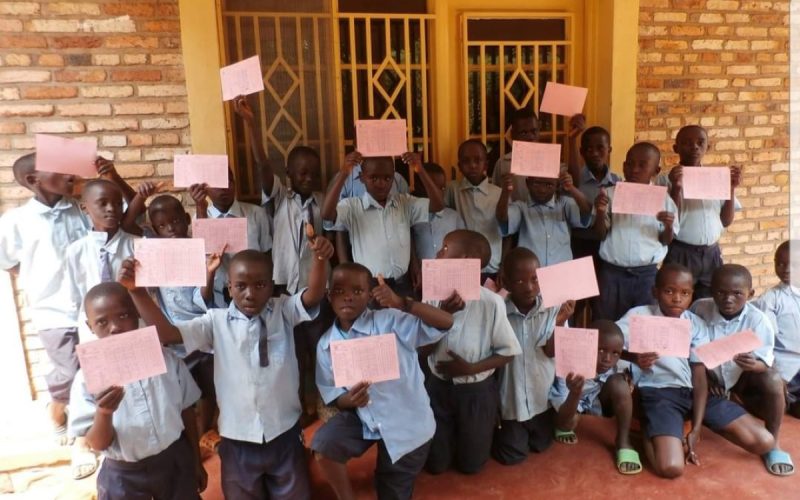
Youth support
OPDE Rwanda works in the street to identify the children it aims to help, accompanies them through the process of socio-educational reintegration, and favours their return…
Learn moreHuye District · Southern Province · Rwanda
Since 1997, OPDE Rwanda has walked alongside street children and the most vulnerable families of Huye District — from the street back to the family, and from the family toward lasting self-reliance.
1,400 +
children and young adults supported since 1997
50 +
homes built and rehabilitated for host families
400
women supported in cooperatives every year
3
rural sectors: Mbazi, Ngoma and Mukura
Who we are
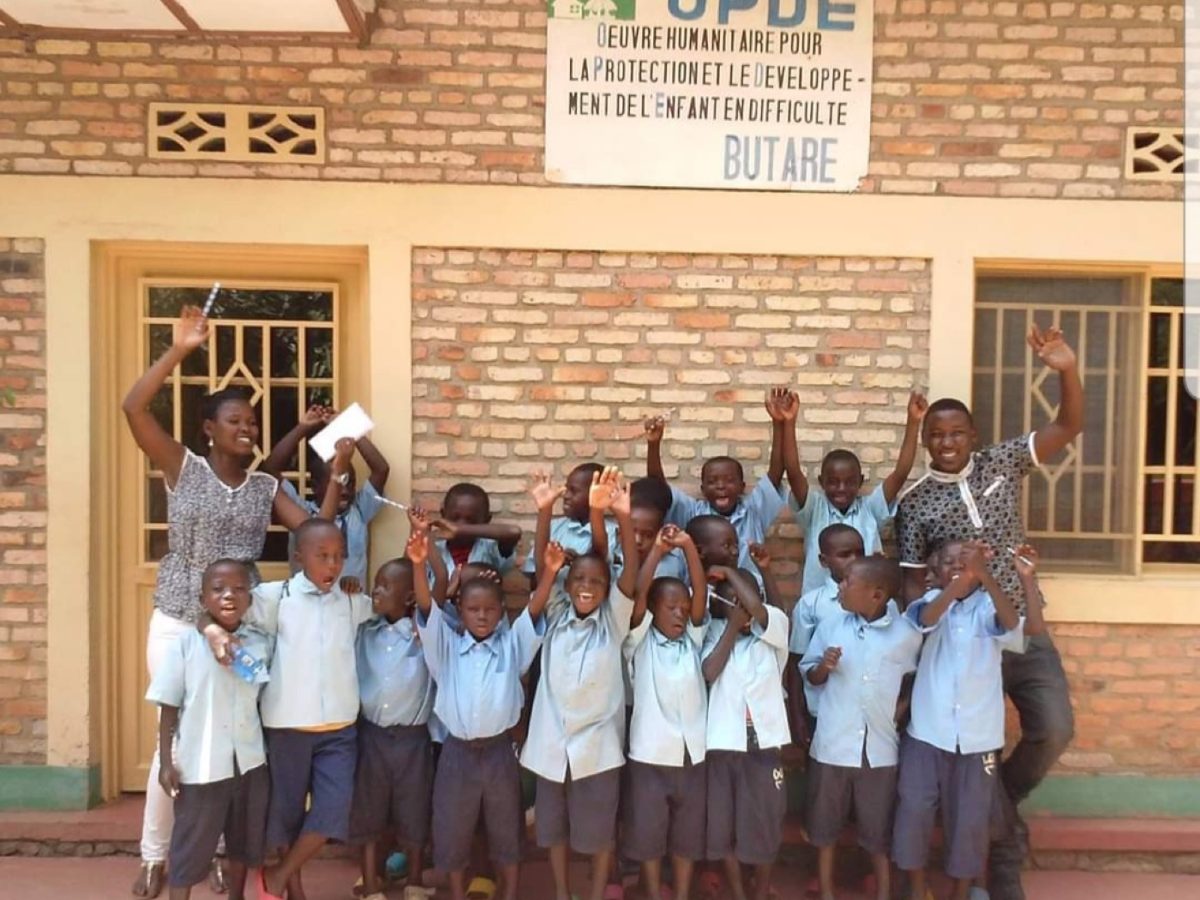
The Œuvre Humanitaire pour la Protection et le Développement de l’Enfant en Difficulté — OPDE Rwanda — is a non-governmental organisation serving the most deprived populations of Huye District, in Rwanda’s Southern Province.
For more than twenty years we have worked with children living on the street. Some are orphans; many come from families so poor that the street seems the better chance. We accompany each child through reintegration into school and, above all, back into their family.
Since 2019 we have worked further upstream — preventing the street-children phenomenon through the economic empowerment of women and vocational training for out-of-school youth.
What we do
OPDE Rwanda works in the street to identify the children it aims to help, accompanies them through the process of socio-educational reintegration, and favours their return…
Learn more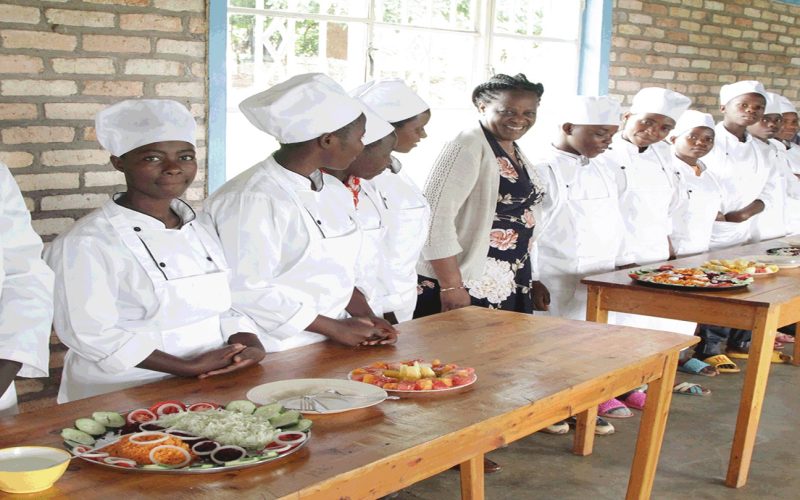
Each year the OPDE Rwanda training centre welcomes around a hundred young women and men. We currently run three sections: masonry, welding and hospitality. Vocational training…
Learn more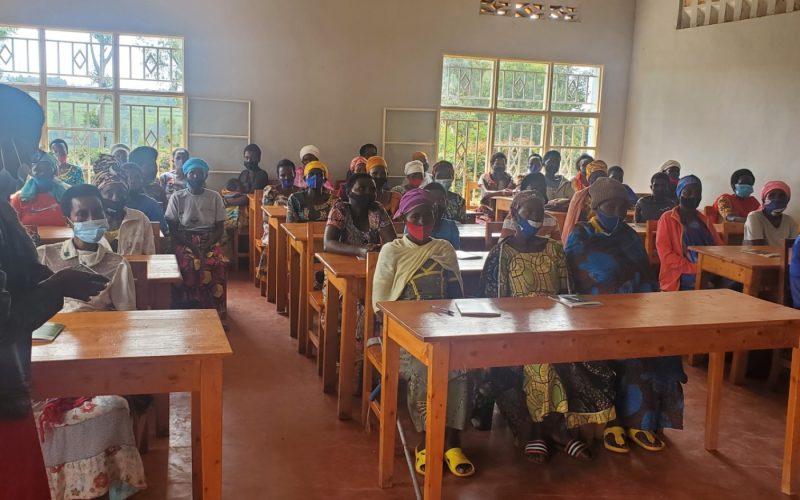
OPDE Rwanda and its partner L’AMIE Canada have set up a programme for the empowerment of women in three particularly poor rural sectors of Huye District:…
Learn more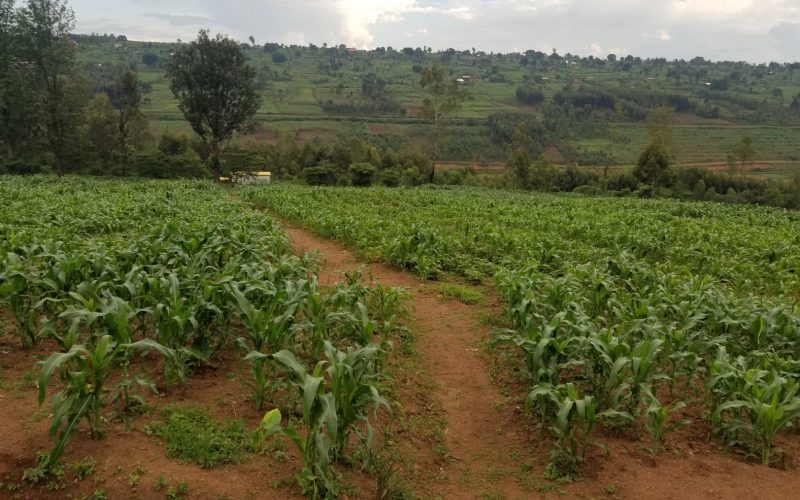
OPDE Rwanda practises farming and livestock rearing as income-generating activities. These activities also familiarise our beneficiaries with running an income-generating activity of their own. The maize…
Learn moreExtreme poverty here has a gender. Almost every family we visited was headed by a woman alone — widowed, a single mother, or abandoned.
Partners
Write to our team — we will take your request in hand and reply as soon as we can.
Contact us